Reference guide, not live sightings. Keep a respectful distance, stay on permitted paths and leave nesting or resting birds undisturbed.
04 / Learn the landscape.
Start with a place, not a scorecard
El Segundo is a useful place to learn birds because several different landscapes meet within a short regional outing: open Pacific shoreline, surviving dunes, wetlands around Ballona, and ordinary streets and parks. Start by choosing one of those settings. A beach walk and a marsh visit ask different questions, and neither needs to produce a long species list. Watch where a bird stands, how it moves and what it does before opening an identification app. A bird that repeatedly dives beneath a pond is solving a different feeding problem from one running at the edge of a wave. Those simple observations make names easier to remember. This index is a selective introduction to forty birds documented in the nearby coastal landscape, rather than a complete inventory or a promise that any bird will be present today. Its wider South Bay context fits an approximately twenty-five-mile planning area; no measured routes or exact distances are claimed.
Sources: Friends of Ballona Wetlands · Los Angeles County Beaches and Harbors
Read the beach in layers
From an open public area at Dockweiler, divide your view into the ocean, the wet sand, the dry beach and the vegetation behind it. Brown Pelicans may be easiest to recognize by their outline and low gliding flight. Gulls take more patience: begin with size and posture, then look at legs, bill and back color. Young gulls often look very different from adults. At the waterline, compare the quick movements of Sanderlings with the heavier build of Willets or the long bill of a Marbled Godwit. Farther from the water, a pale shape on the sand can be a resting plover rather than a stone. The important response is to slow down and give it space. A useful beach observation is made from the place where the bird continues its ordinary behavior, not from the closest position your camera can reach. Never move a flock to improve a photograph.
Sources: Cornell Lab of Ornithology · Cornell Lab of Ornithology · Cornell Lab of Ornithology · Cornell Lab of Ornithology · Los Angeles Audubon Society
Understand the dunes without entering them
The dunes are living habitat, even when they look sparse beside greener parks. Wind, sand, native plants and insects support a distinctive coastal community. LAWA manages the LAX Dunes and describes a substantial restoration and conservation program there. Its historical material records important wildlife recovery, but those records should not become directions to sensitive birds. Nor should an old volunteer event be treated as an open invitation to walk airport land. No unrestricted public route through the LAX Dunes is offered in this guide. Use the manager’s current information if you want to join an authorized program. For a self-guided outing, observe dune vegetation from a lawful public beach edge, or choose open paths in a public park. Sand Dune Park in Manhattan Beach is a different site with different rules: its exercise dune has a reservation system, so birdwatching in the park does not confer permission to climb the dune.
Sources: Los Angeles World Airports · Los Angeles World Airports · The Bay Foundation · City of Manhattan Beach · City of Manhattan Beach
Give each wetland its own identity
Ballona is a network of habitats rather than one interchangeable destination. Freshwater pools, reed beds, willow edges, salty channels and seasonally exposed ground favor different birds. At the freshwater marsh, a first lesson might be the contrast between a coot’s white bill, a grebe’s compact diving shape and a duck’s broad bill. Along vegetated edges, watch for a Black Phoebe returning to a low perch or listen for a Song Sparrow inside the cover. Access needs equally careful attention. The Friends of Ballona public perimeter trails have a dawn-to-dusk schedule, while CDFW publishes a shorter Wednesday-to-Saturday opening window for the reserve’s Fiji Trail. The ecological reserve also excludes pets, unlike the freshwater public trail’s leashed-dog rule. These are neighboring places with separate permissions. Choose the actual entrance you mean to use, check its source page, and treat a closed gate as the end of that route.
Sources: Friends of Ballona Wetlands · Friends of Ballona Wetlands · California Department of Fish and Wildlife · Cornell Lab of Ornithology · Cornell Lab of Ornithology · Cornell Lab of Ornithology · Cornell Lab of Ornithology
Let the season change your expectations
A bird list is more useful when it explains time. Some birds in this index have a year-round regional presence: hummingbirds, mockingbirds and phoebes can make familiar neighborhood companions. Year-round does not mean the same individual stays on the same branch, or that every suitable park holds the species. Cooler months bring a different mix, including White-crowned Sparrows, Yellow-rumped Warblers and several waterfowl. Many beach shorebirds are visitors outside their northern breeding season. Terns are another reminder that summer has its own character. Weather, tide, water levels, disturbance and food can all change what is visible during a particular visit. Treat the season filters as planning guidance. They are deliberately broad and are not calculated encounter probabilities. The July 2024 Ballona checklist establishes historical occurrence; a current opening-hours check does not magically update that biological record into a current sighting.
Sources: Cornell Lab of Ornithology · Los Angeles Audubon Society · Cornell Lab of Ornithology · Cornell Lab of Ornithology · Friends of Ballona Wetlands
Practice close to home
A short repeat visit can teach more than a succession of rushed destinations. Choose an open path at Recreation Park or another lawful neighborhood viewpoint and spend ten minutes watching the same patch of trees, lawn and shrubs. Separate birds by behavior before separating them by name: ground feeders, flower visitors, birds picking through foliage and birds making short flights from perches. A House Finch and a Lesser Goldfinch both use seeds, but shape and markings reward comparison. An Anna’s Hummingbird may flash bright color only when its angle changes. Small gray Bushtits may first announce themselves through movement across several branches. Keep your notes modest and specific: what you actually saw, what remained uncertain and how long you watched. The park suggestions in this guide are habitat matches, not claims that every listed species has been verified in every suggested park.
Sources: El Segundo Recreation and Parks · Cornell Lab of Ornithology · Cornell Lab of Ornithology · Cornell Lab of Ornithology · Cornell Lab of Ornithology
Make a useful record and leave a light footprint
Write down the date, broad public location, duration, weather and the features that supported your identification. If you cannot distinguish two similar birds, keep the uncertainty instead of forcing a name. An unfamiliar hummingbird may properly remain Rufous/Allen’s. Use public birding resources to compare your notes afterward, and join an organized walk when you want help seeing the differences. The same care applies to sharing. This index withholds nest pins, precise sensitive roost locations and private-property directions. Do not use playback to pull a bird into view, feed birds to stage a photograph, or step into habitat to settle an identification. Give other trail users room, watch for bicycles near shared coastal routes and keep children beside you near traffic or water. A successful outing can end with one well-observed bird, a new question and a place left as quiet as you found it.
Sources: American Birding Association · Cornell Lab of Ornithology / eBird · Cornell Lab of Ornithology
A local university of attention
The University of El Segundo exercises below are informal, self-guided learning prompts created for this site. They do not claim accreditation, enrollment or affiliation with a city department or university. Take a notebook, choose a legal public viewpoint and work at your own pace. One exercise asks you to compare habitats; another asks you to revisit the same place in another season. Both train attention rather than collecting. If you continue farther into the South Bay, Madrona Marsh offers another wetland setting to compare with the coast, subject to its current public hours. Bring your questions to the Friends of Ballona, Los Angeles Audubon or a local nature-center program. The next step in learning is often not a rarer bird. It is understanding why an ordinary bird uses one patch of the landscape and passes over another. Carry water, sun protection and a layer for coastal wind. Binoculars are useful, but careful watching is free. Before leaving, decide what one question you want your next visit to help you answer more clearly.
Sources: City of Torrance · Friends of Madrona Marsh · Friends of Ballona Wetlands · Los Angeles Audubon Society
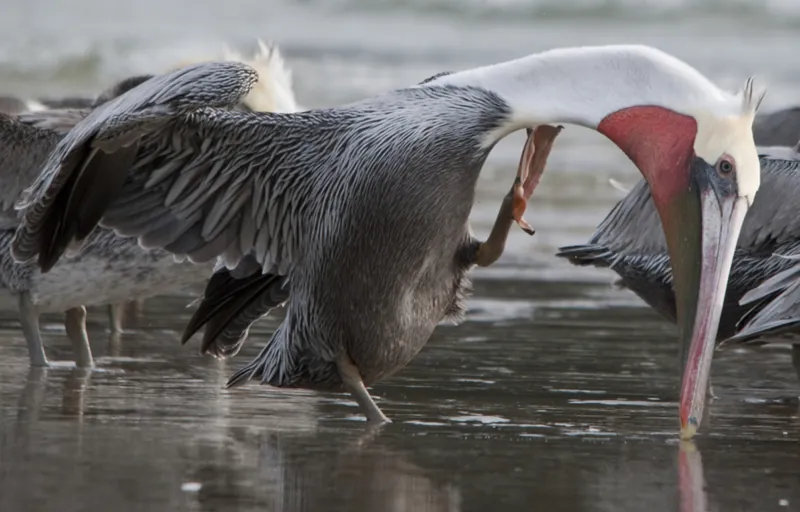 Lowe, Roy W./USFWS · Public Domain · Reference photograph, not a local sighting.Photo source & license ↗
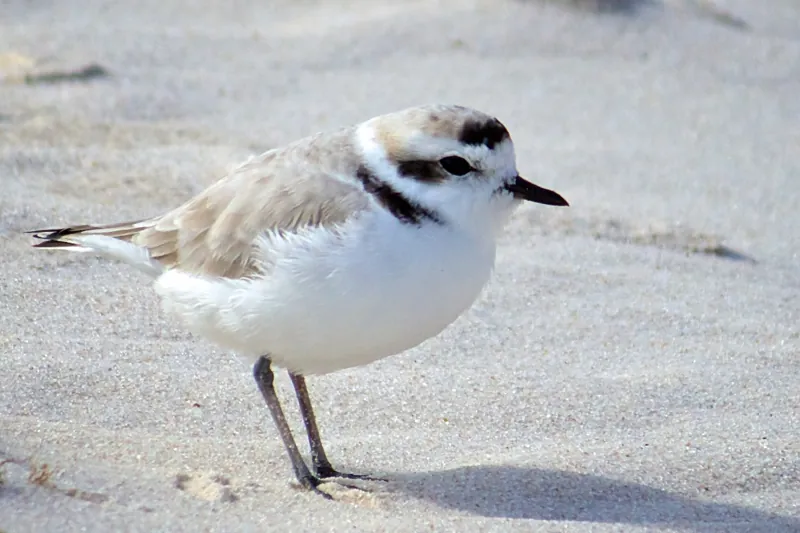 Adams, Keenan/USFWS · Public Domain · Reference photograph, not a local sighting.
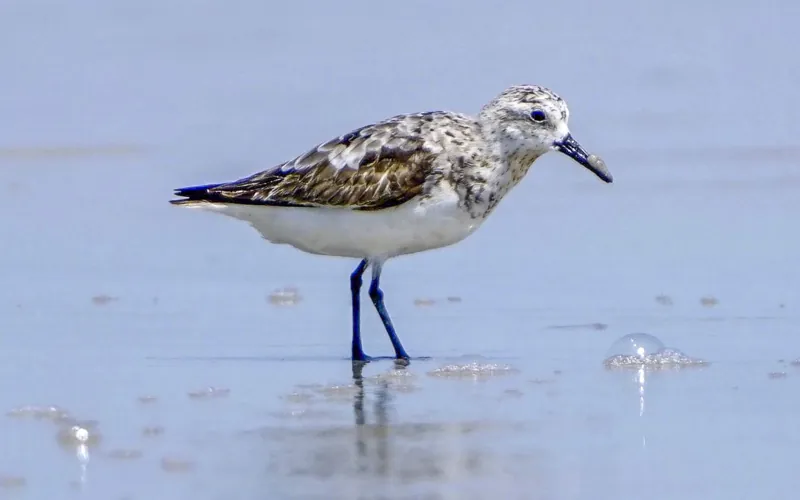 USFWS · Public Domain · Reference photograph, not a local sighting.
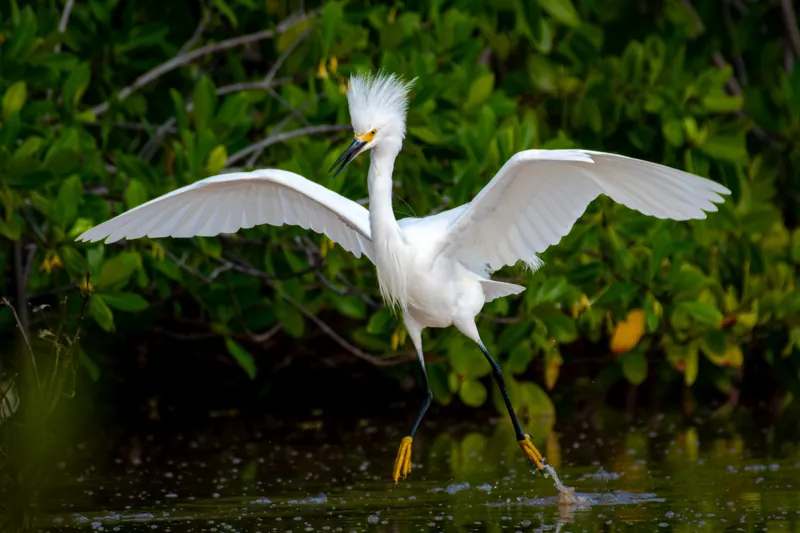 Ernesto Gomez · Public Domain · Reference photograph, not a local sighting.
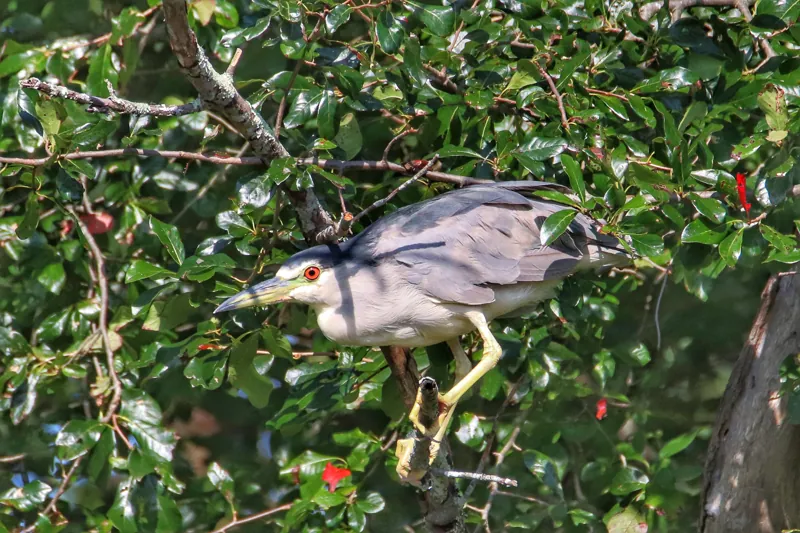 Courtesy of James Richards · Public Domain · Reference photograph, not a local sighting.
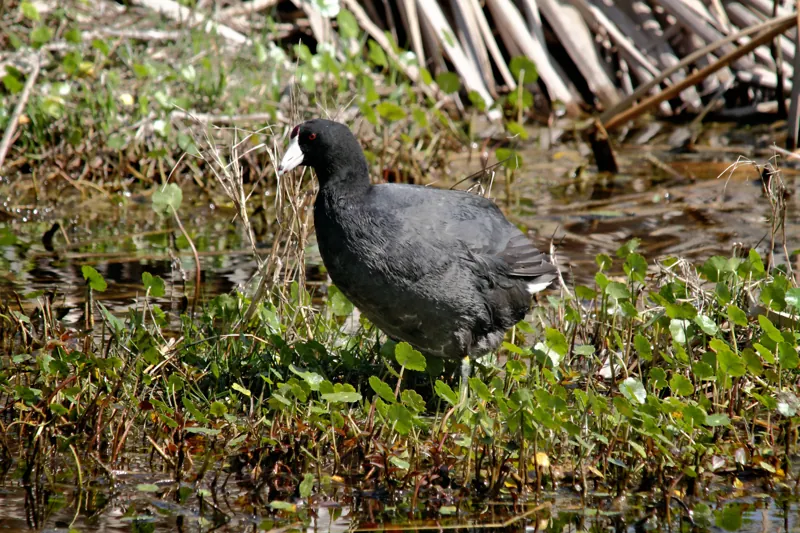 Burton, Robert H./USFWS · Public Domain · Reference photograph, not a local sighting.
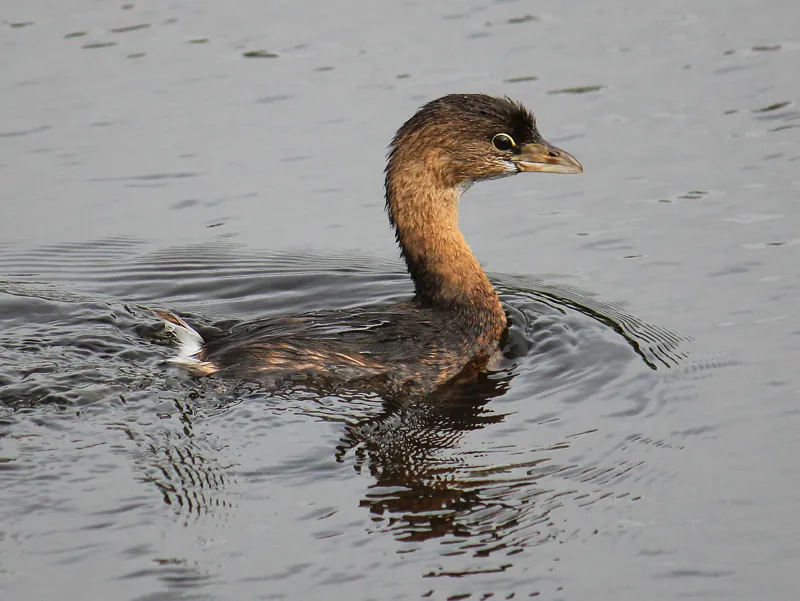 Weimer, Mike · Public Domain · Reference photograph, not a local sighting.
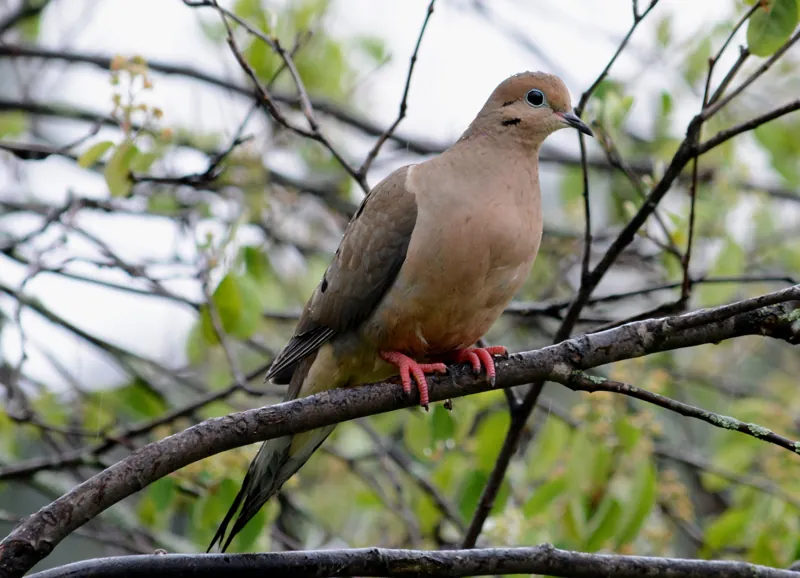 Jim Hudgins/USFWS · Public Domain · Reference photograph, not a local sighting.
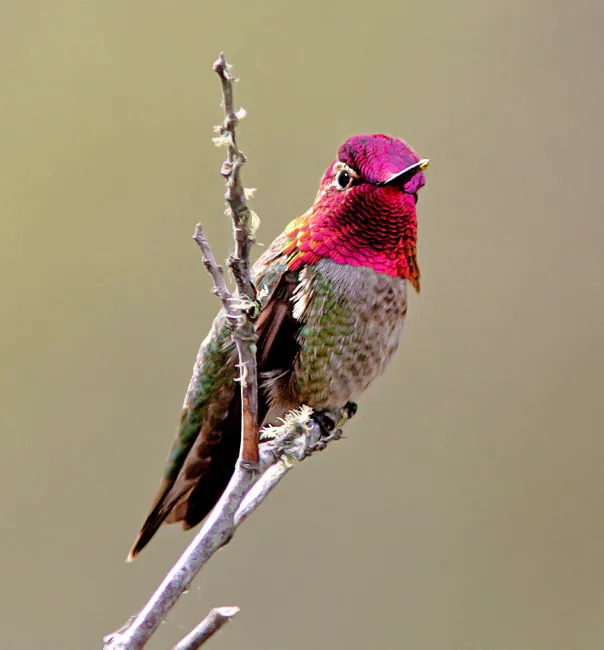 Alan Schmierer/USFWS · Public Domain · Reference photograph, not a local sighting.
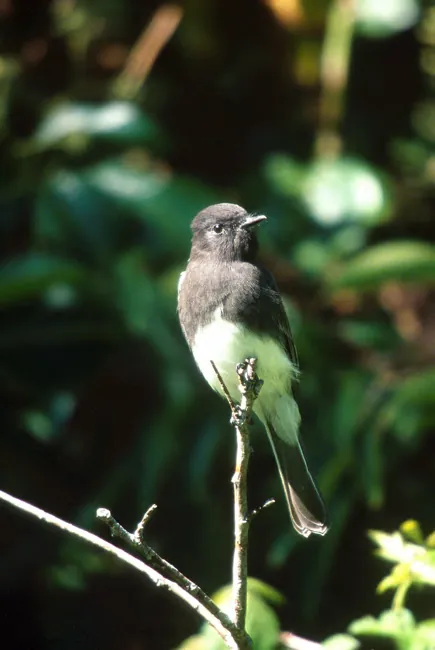 Karney, Lee/USFWS · Public Domain · Reference photograph, not a local sighting.
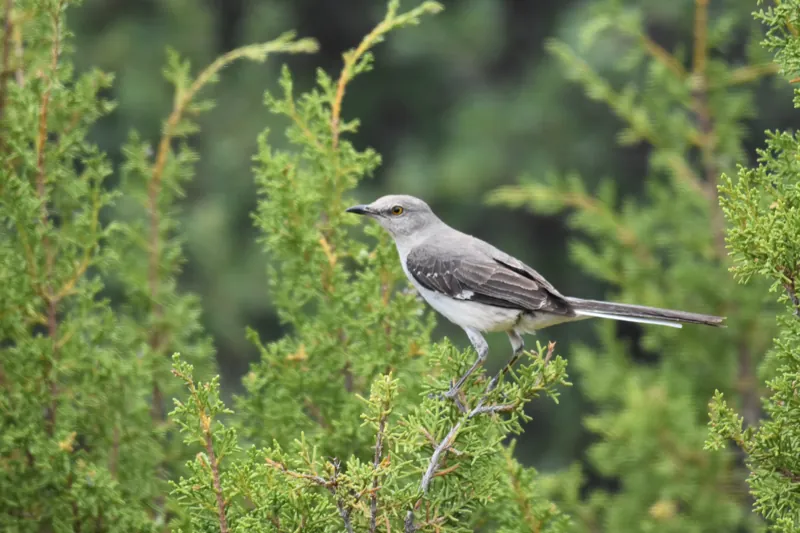 Anna Weyers Blades/USFWS · Public Domain · Reference photograph, not a local sighting.
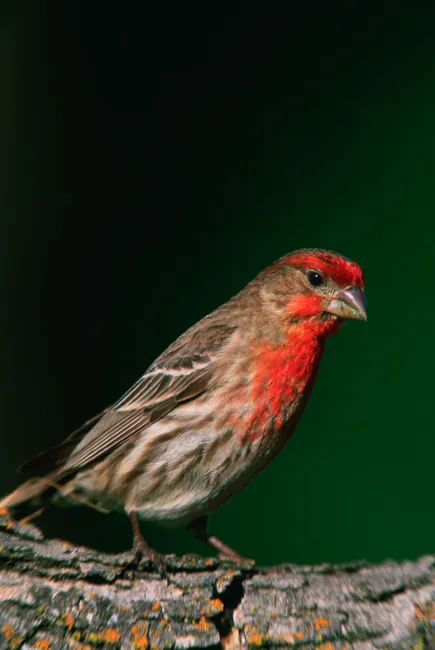 Kramer, Gary/USFWS · Public Domain · Reference photograph, not a local sighting.
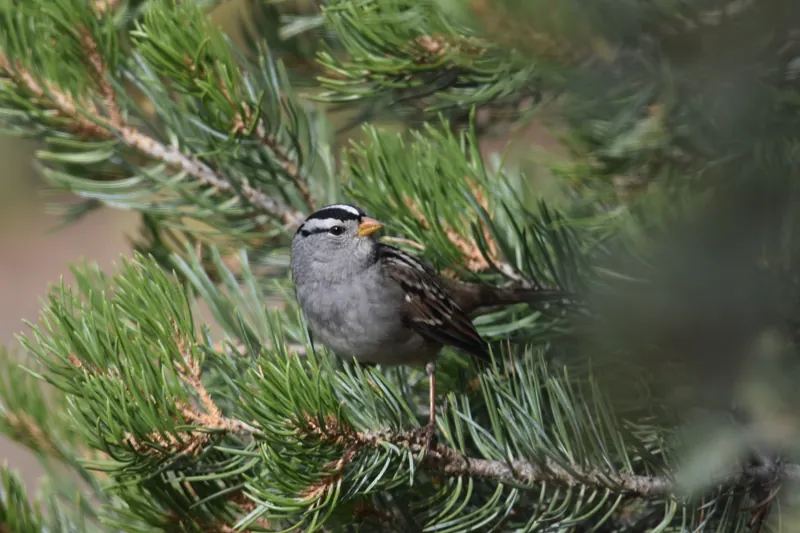 Anna Weyers Blades/USFWS · Public Domain · Reference photograph, not a local sighting.
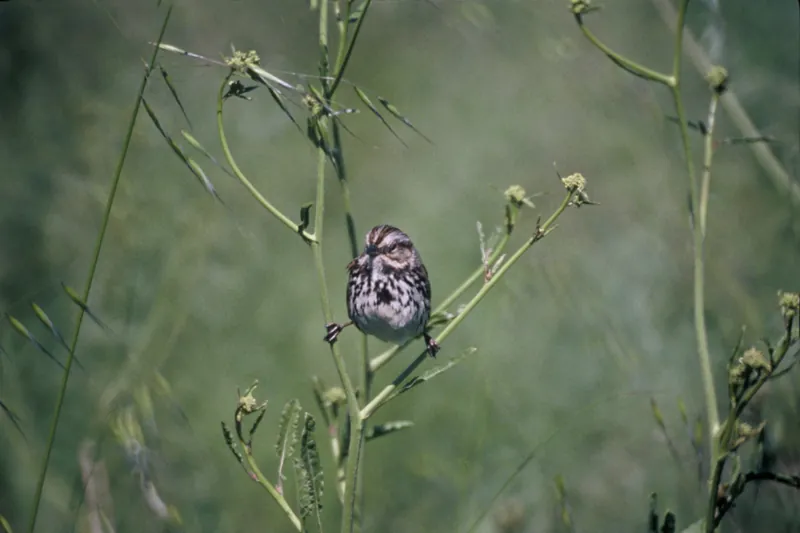 Karney, Lee/USFWS · Public Domain · Reference photograph, not a local sighting.
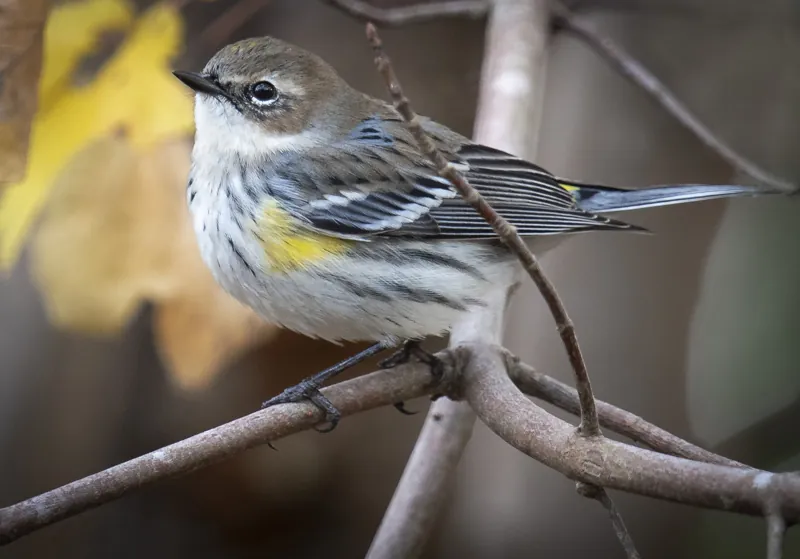 Irene Hinke-Sacilotto/USFWS · Public Domain · Reference photograph, not a local sighting.